


Philodendron Lemon Lime
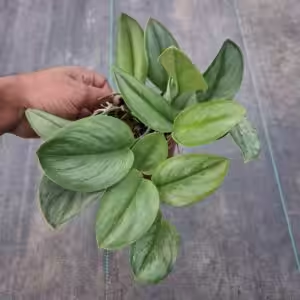
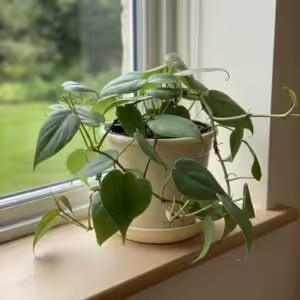
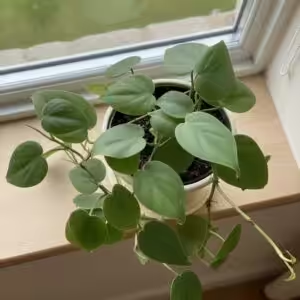
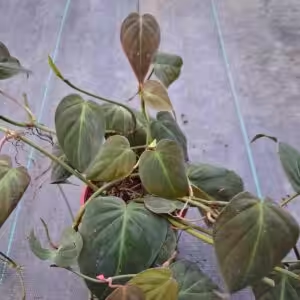
The philodendron lemon lime plant is a stunning tropical houseplant that instantly brightens any space with its bold and cheerful foliage. Unlike many traditional philodendrons with deep green leaves, this variety stands out for its neon, yellow-green tones that almost seem to glow. New leaves often emerge with a fresh, golden hue and gradually deepen into a radiant lime shade, creating a dynamic display of color variation on a single plant. Its growth habit is vining, making it incredibly versatile—perfect for trailing from shelves and hanging baskets or for training to climb a moss pole or trellis.
Here is the care tips for Philodendron Lemon Lime Plant :
🌞 Light :
Prefers bright, indirect light for best color and growth. Can adapt to medium or low light, but leaves may turn darker and growth may slow. Avoid harsh direct sun, which can scorch the delicate leaves.
💧 Water :
Keep soil evenly moist but not soggy. Water when the top 1–2 inches of soil feel dry. In winter, reduce watering slightly as growth slows. Always empty saucers to prevent root rot.
💦 Humidity :
Thrives in moderate to high humidity (50%+). Average household humidity is usually fine, but it will appreciate a humidifier, pebble tray, or grouping with other plants.
🌡️ Temperature :
Prefers temps between 18–27°c (65–80°f); avoid drafts and sudden cold.
🪴 Soil :
Use a well-draining, airy mix—potting soil blended with perlite, orchid bark, or coco coir works well. A loose mix mimics its natural tropical environment and keeps roots healthy.
⚡ Fertilizer :
During active growth (spring and summer), feed monthly with a balanced, diluted liquid fertilizer. Reduce or stop feeding in fall and winter.
✂️ Pruning & training :
Trim leggy vines to encourage bushier growth. Can trail from a hanging pot or climb a moss pole for a fuller, vertical look. Cuttings root easily in water or soil, making propagation simple.
🧺 Repotting:
Repot every 1-2 years or when the roots outgrow the pot. Its enjoys being a bit root-bound, so you don’t need to rush into repotting.
🐛 Pests:
Like most indoor plants, it may attract pests like mealybugs or spider mites. Check regularly, and if necessary, treat with insecticidal soap or a neem oil solution.
👉 By following these simple guidelines, your plant will thrive and become a beautiful, cascading feature in your home!







Souvik Dutta Roy –
Good
Ankita Mukherjee –
Very nice 👍🏻