
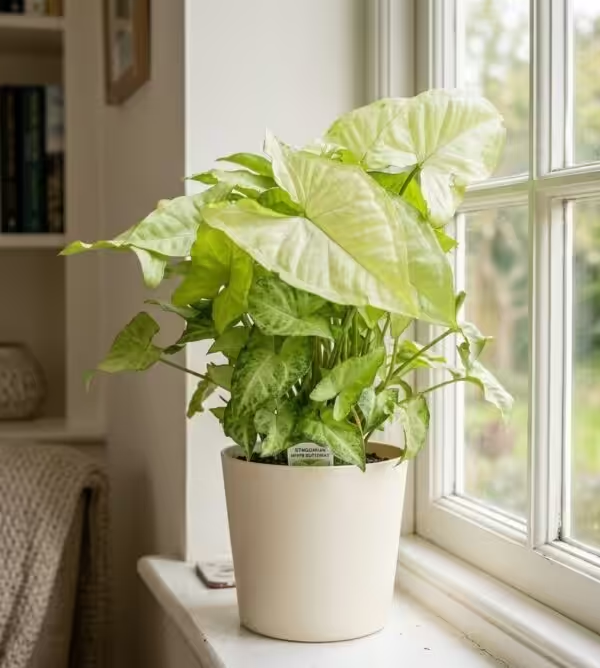
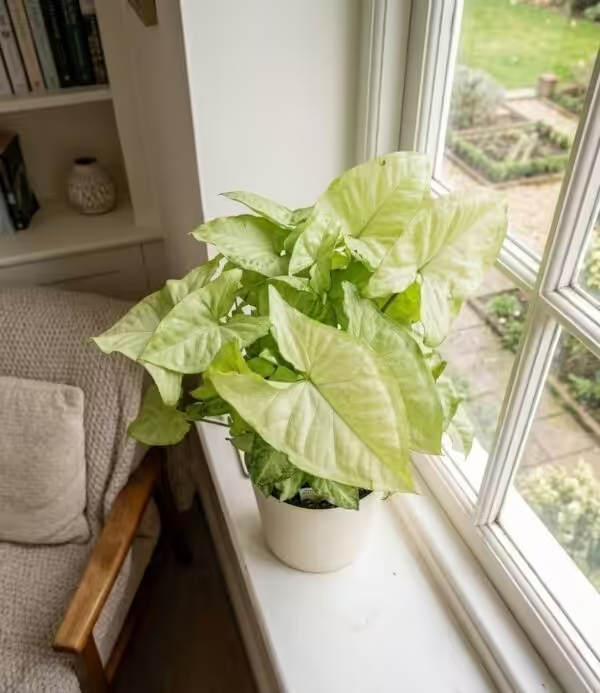
Syngonium Podophyllum White Butterfly
The Syngonium Podophyllum White Butterfly is a graceful and versatile indoor plant loved for its soft, arrowhead-shaped leaves adorned with a beautiful blend of light green and creamy white tones. Its delicate foliage resembles the wings of a butterfly, making it a perfect choice for plant enthusiasts seeking elegance and tranquility in their indoor garden.
This tropical beauty is native to central and south america and thrives effortlessly in indian climates as a popular houseplant. The syngonium white butterfly plant not only enhances your home décor but also helps purify indoor air by removing toxins, promoting a healthier environment. Ideal for tabletops, hanging planters, or shelves, it adapts well to various light conditions and grows lush with minimal care.
With its easy-growing nature, the syngonium white butterfly is perfect for beginners and busy plant lovers. It appreciates bright, indirect light and moderate watering, making it a low-maintenance yet highly rewarding indoor plant. Whether you’re decorating your living room, workspace, or balcony, this elegant syngonium adds a refreshing tropical charm and a touch of green serenity to any space.
Here are some care tips for Syngonium Podophyllum White Butterfly :
🌞 Light : Thrives in bright, indirect light. Avoid direct sunlight, which can scorch its delicate leaves, and too little light, which may reduce variegation.
💧 Water : Keep the soil lightly moist but not soggy. Water when the top inch of soil feels dry. Reduce watering during the winter months.
💦 Humidity : Enjoys high humidity levels (60%+). Mist the leaves regularly or place a humidifier nearby for best growth.
🌡️ Temperature : Prefers warm temperatures between 15–38°c. Protect it from cold drafts and sudden temperature drops.
🪴 Soil : Use a well-draining mix, such as a combination of Cinder, charcoal, and peat or coco coir.
⚡ Fertilizer : Feed monthly during the growing season (spring and summer) with a balanced, diluted houseplant fertilizer.
✂️ Pruning : Trim leggy stems to encourage bushier growth and remove yellowing or damaged leaves.
🧺 Repotting : Repot every years or when roots outgrow the pot, ideally in spring.
🐛 Pests : Generally resistant but may attract aphids, mealybugs, or spider mites. Inspect regularly and treat with neem oil or insecticidal soap if needed. Every 15 days use water soluble fungicides and spray on it.
👉 By following these simple guidelines, your plant will thrive and become a beautiful, cascading feature in your home!


Reviews
There are no reviews yet.