

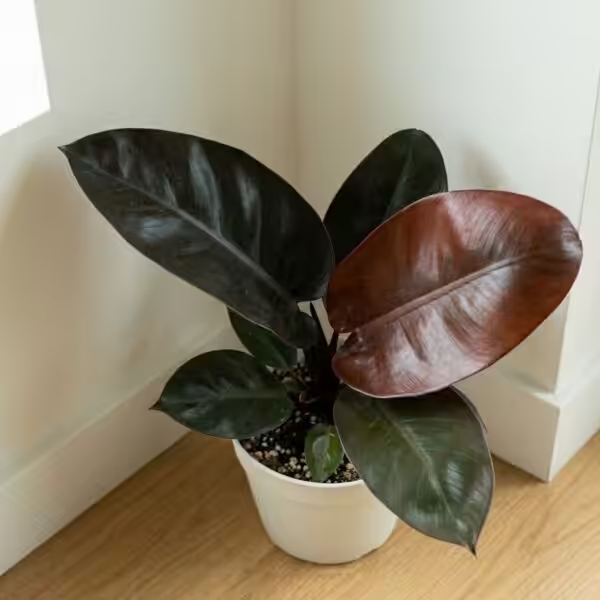


Philodendron Black Cardinal Plant
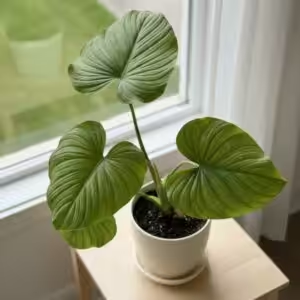
Philodendron black cardinal is a rare and visually striking tropical foliage plant admired for its bold, color-changing leaves and compact, self-heading growth habit. A cultivated hybrid of the genus philodendron, this plant produces broad, glossy leaves that emerge in shades of deep burgundy and gradually mature into rich, near-black tones with subtle reddish undertones. Its dramatic coloration and lush texture make it a premium statement plant for modern homes, offices, and indoor plant collections.
Unlike climbing varieties, philodendron black cardinal grows in a neat, upright rosette form, making it ideal for tabletops, shelves, and decorative floor planters. The plant’s dense foliage and architectural shape add depth, contrast, and a sophisticated tropical feel to interior spaces. Its dark leaves pair beautifully with minimalist décor, light-colored walls, and contemporary planters.
Here is the care tips for Philodendron Black Cardinal :
🌞 Light : Bright, indirect sunlight is ideal. While direct sun may scorch the leaves. Filtered light through a curtain works perfectly.
💧 Water : Keep the soil lightly moist, not soggy. Water when the top 1–2 inches of soil feel dry. Overwatering can cause root rot.
💦 Humidity : Loves high humidity (60–80%). Mist regularly, use a humidifier, or place the pot on a pebble tray with water.
🌡️ Temperature : Thrives in warm, humid environments — ideally between 18°c–35°c. Protect from cold drafts and sudden temperature changes.
🪴 Soil : Use a well-draining, airy mix — equal parts coco peat, river sand, cinder, charcoal, and a little compost or worm castings.
⚡ Fertilizer : Feed with a balanced liquid fertilizer (diluted to half strength) every 4–6 weeks during the growing season for vibrant variegation.
✂️ Pruning & training : Trim leggy or yellow leaves to encourage new growth and maintain its full, lush shape.
🧺 Repotting: Repot every 1–2 years or when roots outgrow the pot. Choose a container just one size larger to avoid excess moisture retention.
🐛 Pests: Like most indoor plants, it may attract pests like mealybugs or spider mites. Check regularly, and if necessary, treat with insecticidal soap or a neem oil solution.
👉 By following these simple guidelines, your plant will thrive and become a beautiful, cascading feature in your home!







Reviews
There are no reviews yet.