

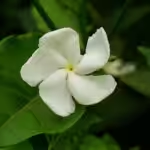
Crape Jasmine Tabernaemontana Divaricata Plant
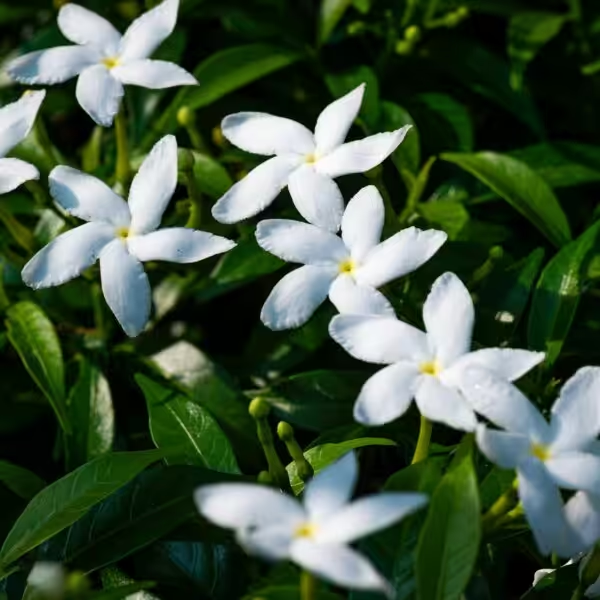
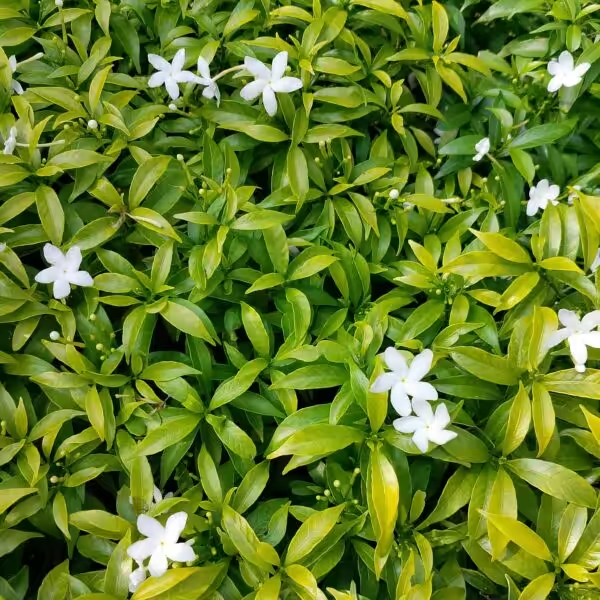
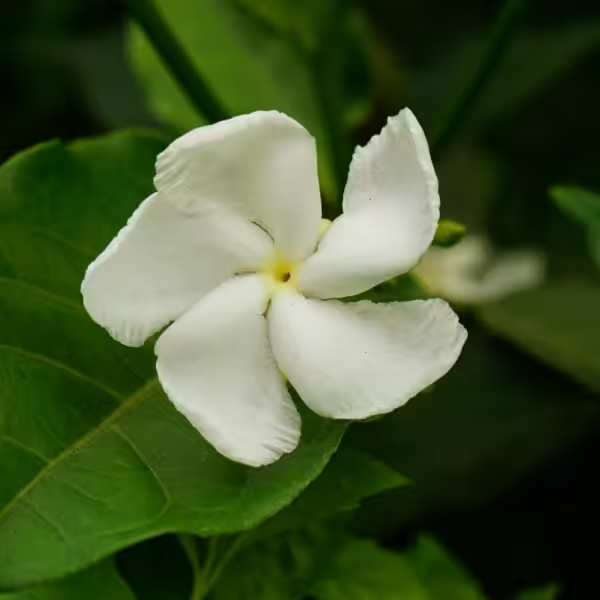
Tabernaemontana divaricata is a beautiful, evergreen ornamental shrub widely admired for its lush foliage and elegant, snow-white blooms. Native to south and southeast asia, this tropical plant is a popular choice for gardens, landscapes, and home décor due to its graceful appearance and easy maintenance.
The plant features glossy, dark green leaves that create a dense, bushy structure, making it ideal for hedges, borders, or standalone decorative planting. Its most striking feature is the delicate, pinwheel-shaped flowers, which bloom abundantly throughout the year in warm climates. These pure white blossoms may appear in single or double forms and often emit a light, pleasant fragrance, enhancing the overall charm of the plant.
Here is the care tips for Crape Jasmine Tabernaemontana Divaricata Plant :
🌞 Light : Provide bright, indirect sunlight. It can tolerate a few hours of morning sun, but avoid harsh afternoon rays that can scorch the leaves.
💧 Water : Keep the soil consistently moist but not soggy. Water when the top inch of soil feels dry. Avoid letting the plant completely dry out or sit in water.
💦 Humidity : It thrive in warm temperatures and high humidity. Protect from cold drafts and sudden temperature changes. Mist the plant or use a humidity tray in dry conditions.
🌡️ Temperature : Prefers warm temperatures between (18–30°c). Protect from cold drafts and temperatures below 10°c, as the plant is not frost-tolerant. It thrives in low to moderate humidity.
🪴 Soil : Use a well-draining cactus or succulent mix. You can enhance drainage by adding sand, perlite, or pumice. Proper drainage is crucial to prevent excess moisture retention.
⚡ Fertilizer : Feed with a balanced or acid-loving plant fertilizer every 2–4 weeks during the growing season (spring to summer) to encourage lush growth and flowering.
✂️ Pruning & training : Prune lightly after flowering to maintain shape and encourage bushier growth. Remove dead or yellowing leaves regularly.
🧺 Repotting: Repot every 1–2 years or when root-bound, preferably in spring, using fresh acidic soil.
🐛 Pests: Watch for pests like spider mites, aphids, and mealybugs. Treat early with neem oil or insecticidal soap. Avoid overwatering to prevent fungal issues.
👉 By following these simple guidelines, your plant will thrive and become a beautiful, cascading feature in your home!


Reviews
There are no reviews yet.