
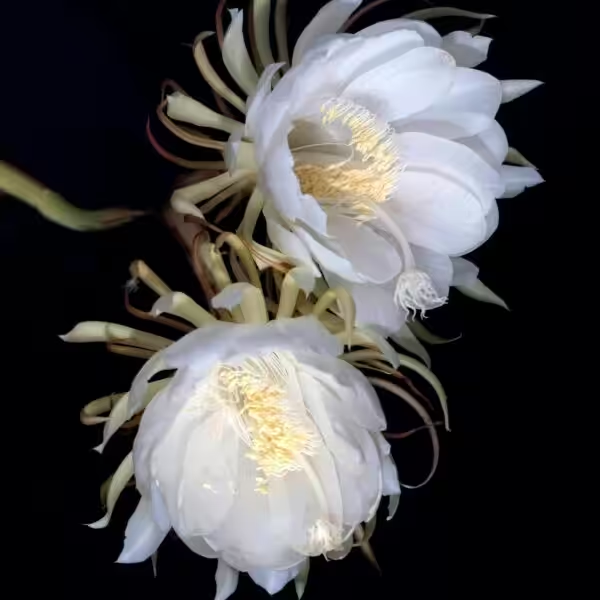
Brahma Kamal ‘Queen of the Night’ Plant
Brahma kamal ‘queen of the night’ is a truly mesmerizing and rare flowering plant, botanically known as epiphyllum oxypetalum. Celebrated for its breathtaking nocturnal blooms, this exotic cactus produces large, pristine white flowers that open only once at night and wilt by early morning—making each bloom a fleeting yet unforgettable spectacle.
Native to the tropical regions of central and South America, this epiphytic cactus thrives in warm, humid climates and is well-suited for Indian gardens and indoor spaces. The plant features long, flat, leaf-like stems that cascade gracefully, making it an excellent choice for hanging baskets or decorative pots. Its dramatic flowers can grow up to 6–8 inches across, releasing a sweet, intoxicating fragrance that fills the air during the night.
Here is the care tips for Brahma Kamal ‘Queen of the Night’ Plant :
🌞 Light : It thrives in bright, direct sunlight. Place it in a south- or west-facing window or outdoors where it can receive at least 6–8 hours of sunlight daily. Insufficient light can reduce flowering and cause leggy growth.
💧 Water : Water moderately and allow the soil to dry out completely between waterings. Overwatering can lead to root rot due to its succulent nature. During summer water once the soil is dry and during winter in dormant phase water very sparingly
💦 Humidity : Loves high humidity (60–80%). Mist regularly, use a humidifier, or place the pot on a pebble tray with water.
🌡️ Temperature : Prefers warm temperatures between 20–35°c. Protect from cold drafts and temperatures below 10°c, as the plant is not frost-tolerant. It thrives in low to moderate humidity.
🪴 Soil : Use a well-draining cactus or succulent mix. You can enhance drainage by adding sand, perlite, or pumice. Proper drainage is crucial to prevent excess moisture retention.
⚡ Fertilizer : Feed with a balanced liquid fertilizer (like 19-19-19) every 2–4 weeks during the growing season (spring and summer). Reduce or stop feeding in winter.
✂️ Pruning & training : Prune lightly to maintain shape and encourage branching. This also helps create a more bonsai-like appearance and promotes more blooms.
🧺 Repotting: Repot every 2–3 years or when the plant outgrows its pot. Choose a container with good drainage holes and slightly larger than the current one.
🐛 Pests: Watch for pests like spider mites, aphids, and mealybugs. Treat early with neem oil or insecticidal soap. Avoid overwatering to prevent fungal issues.
👉 By following these simple guidelines, your plant will thrive and become a beautiful, cascading feature in your home!


Reviews
There are no reviews yet.