
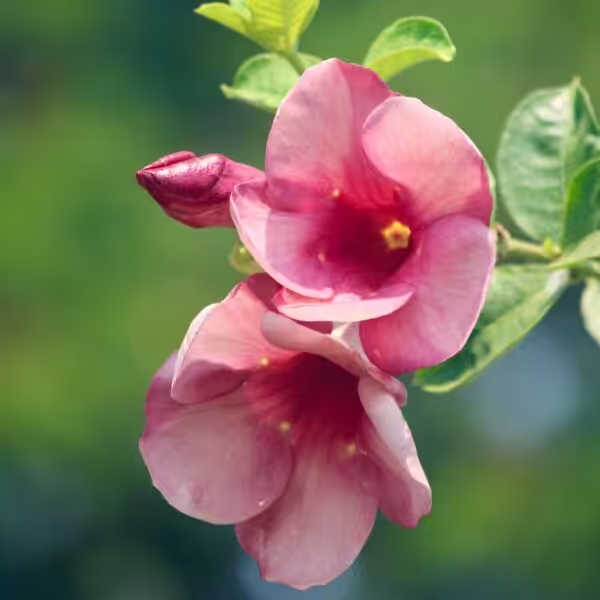
Allamanda Blanchetii Pink
Allamanda blanchetii pink, popularly known as pink allamanda or purple allamanda, is a captivating tropical flowering vine prized for its rich pink to purplish, trumpet-shaped blooms. This ornamental climber is an excellent choice for gardeners looking to add vibrant color and a lush, exotic feel to outdoor spaces. With its fast-growing nature and dense foliage, allamanda blanchetii creates a striking visual impact on trellises, fences, pergolas, and garden walls.
Native to tropical regions, this hardy plant thrives in warm climates and performs best in full sun to partial shade. It produces an abundance of eye-catching flowers throughout the warmer months, making it a long-lasting bloomer that enhances garden aesthetics year-round in suitable conditions. The glossy green leaves provide a beautiful contrast to the vivid blossoms, further enhancing its ornamental value.
Here is the care tips for Allamanda Blanchetii Pink :
🌞 Light : Provide bright, indirect sunlight. It can tolerate a few hours of morning sun, but avoid harsh afternoon rays that can scorch the leaves.
💧 Water : Keep the soil consistently moist but not soggy. Water when the top inch of soil feels dry. Avoid letting the plant completely dry out or sit in water.
💦 Humidity : It thrive in warm temperatures and high humidity. Protect from cold drafts and sudden temperature changes. Mist the plant or use a humidity tray in dry conditions.
🌡️ Temperature : Prefers warm temperatures between (18–30°c). Protect from cold drafts and temperatures below 10°c, as the plant is not frost-tolerant. It thrives in low to moderate humidity.
🪴 Soil : Use a well-draining soil mix. Proper drainage is crucial to prevent excess moisture retention.
⚡ Fertilizer : Feed with a balanced plant fertilizer every 2–4 weeks during the growing season (spring to summer) to encourage lush growth and flowering.
✂️ Pruning & training : Prune lightly after flowering to maintain shape and encourage bushier growth. Remove dead or yellowing leaves regularly.
🧺 Repotting: Repot every 1–2 years or when root-bound, preferably in spring, using fresh acidic soil.
🐛 Pests: Watch for pests like spider mites, aphids, and mealybugs. Treat early with neem oil or insecticidal soap. Avoid overwatering to prevent fungal issues.
👉 By following these simple guidelines, your plant will thrive and become a beautiful, cascading feature in your home!


Reviews
There are no reviews yet.